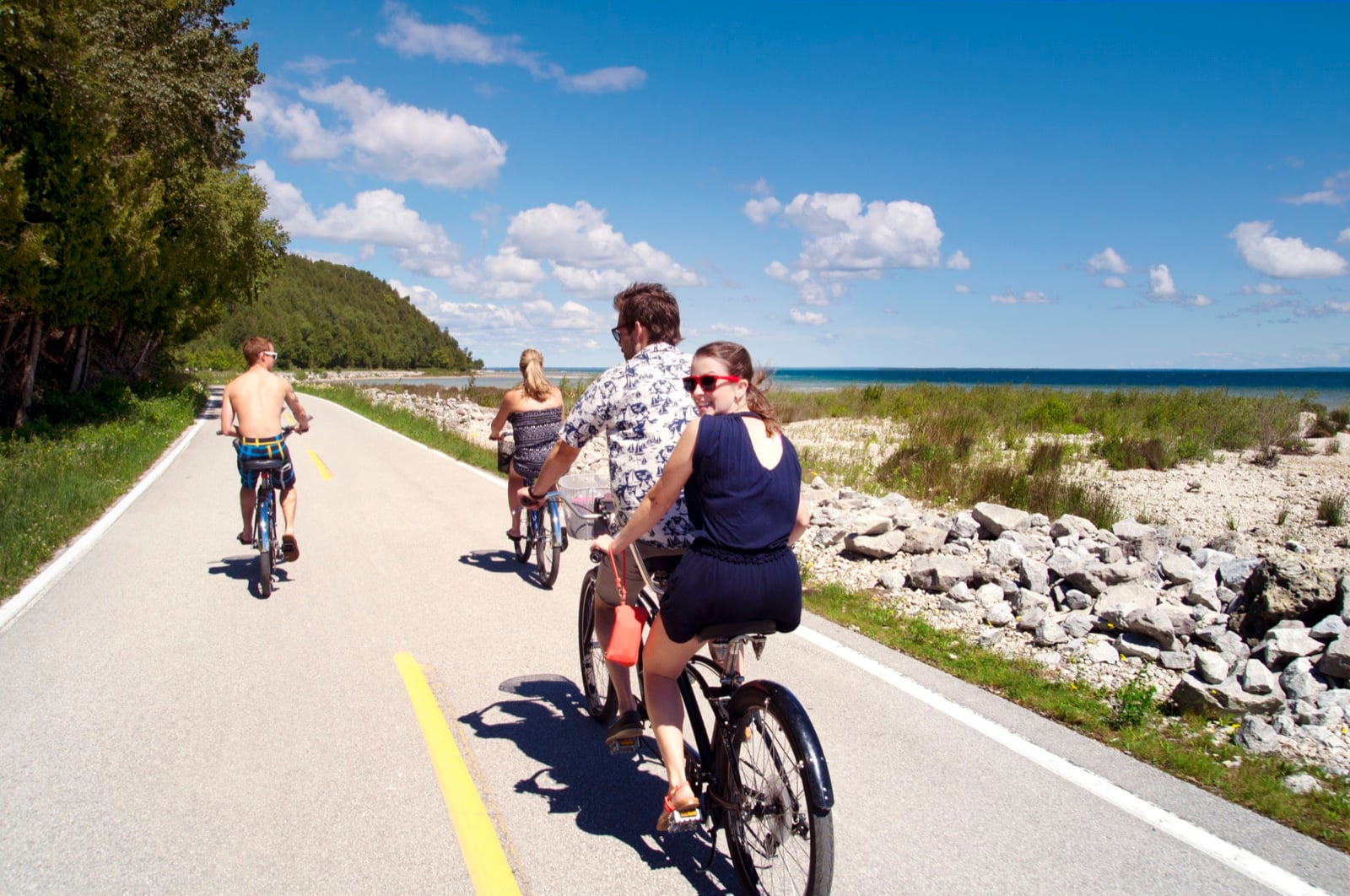
Every area has a route that locals keep coming back to. It might be a path along the water, a loop through two parks, or a back-street way to the best bakery in town. It’s rarely the fastest way anywhere. It’s the one that’s pleasant to ride, and easy to ride with other people.
A route that works for one confident rider doesn’t always work for a group. Here’s what to look for, so the route you pick makes the ride easier for everyone.
What makes a route good for a group
Quiet, continuous sections
Groups are happiest on paths and quiet streets where people can ride side by side and talk. Look for long stretches without heavy traffic, and avoid routes that jump on and off a busy road every few hundred metres. One awkward crossing is fine. Six of them wear a group down.
Places to regroup
A group spreads out, especially on climbs and at traffic lights. Good routes have natural places to wait: a park entrance, a wide footpath, a quiet corner after a turn. Note them before the ride so you can tell the group where you’ll stop.
Hills you’ve thought about
You don’t need a flat route, but you do need to know where the climbs are. A hill near the start, before anyone has warmed up, feels harder than the same hill halfway through. If the route has a steep section, plan a regroup at the top.
A reason to stop
The best social routes have a destination: a café, a lookout, a market, a beach. It gives the ride a shape, and gives new riders something to look forward to besides the distance.
Easy to start and finish
Pick a meeting point people can reach by bike or public transport, with somewhere to wait that isn’t in anyone’s way. Finishing near where you started, or near a train line, helps people who aren’t riding home the same way.
How to find one near you
- Ask the regulars. People who ride in your area already know which streets feel calm and which ones don’t.
- Ride it yourself first. A route that looks good on a map can have a closed path or a gap you’d never spot from above. A quiet solo ride the week before saves surprises.
- Check the elevation profile. It tells you where the hills are and how long they last.
- Borrow from others. Many riders share their routes publicly. Start from one of theirs and adjust it.
Then share it
Once you have a route you like, save it and share it. A good route is more useful when other people can ride it too, and it’s the easiest way to start a regular group ride: a known route, a set time, and a few people who turn up.
Tell us about yours. What’s the one local route you’d take a friend on? Reply to this post, or tag us when you ride it.
Save routes, check the climbing and turn any route into a group ride at partyonbici.com.