In 2024, cycling tourism in Italy reached 89 million visits — a 54% increase over the previous year. The economic impact: nearly EUR 9.8 billion. Cyclists now account for over 10% of all tourists in Italy, with foreign cycling tourists spending an average of EUR 132 per day.
These numbers are extraordinary. They’re also a challenge.
Italian cities — particularly historic centres like Florence, Rome, Bologna, and Venice — must now serve two fundamentally different cycling populations: residents who ride for daily transport, and tourists who ride for leisure and exploration. The routes they need, the infrastructure they require, and the problems they encounter are often very different.
Most cities have no way to tell them apart.
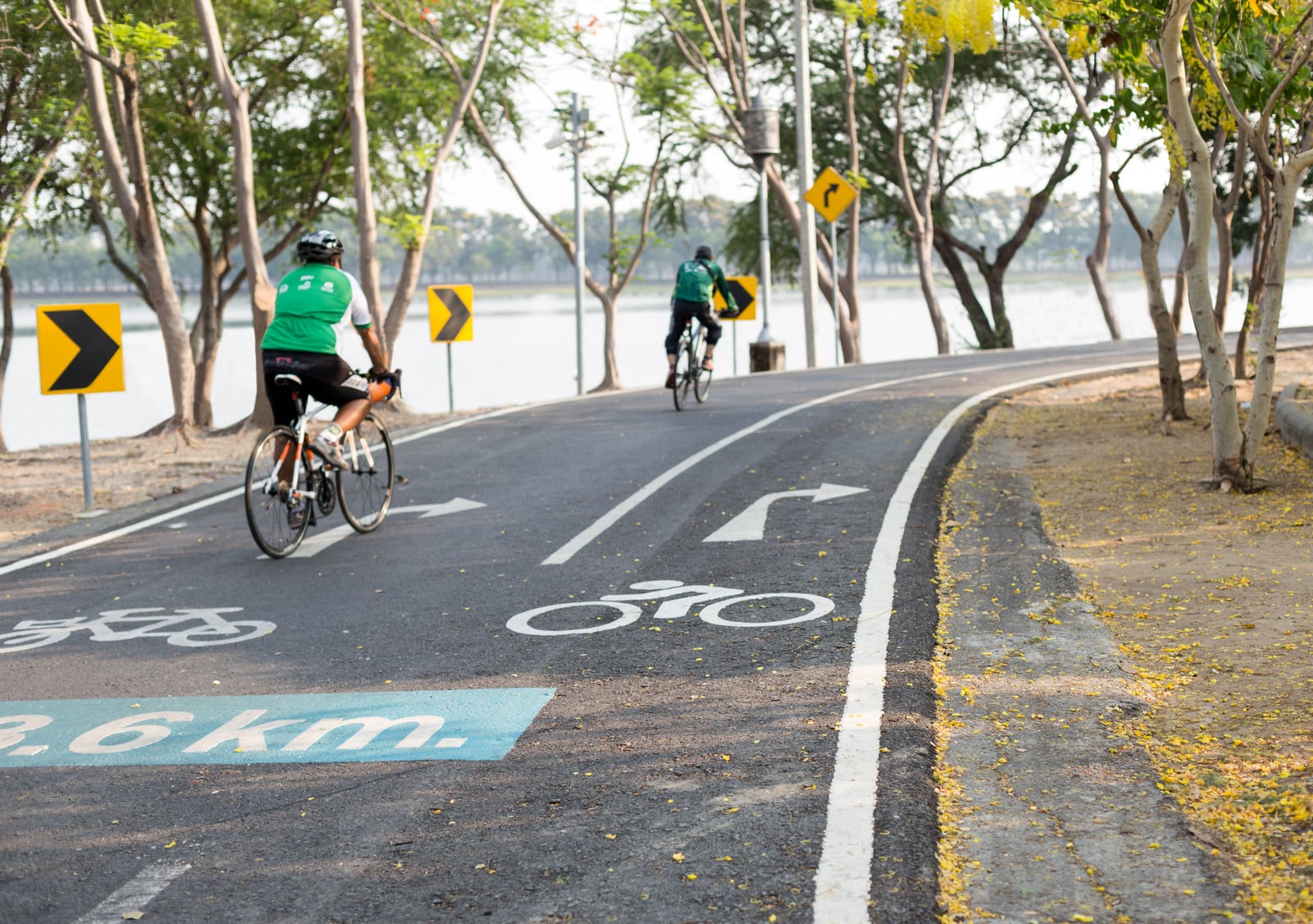
The Two Cycling Populations
Resident Cyclists
Residents ride for transport — commuting to work, school runs, shopping trips, appointments. Their needs are predictable and repeated:
- Direct routes between residential areas and employment/commercial centres
- Safe intersections at the points they cross daily
- Bike parking at transit stations, workplaces, and schools
- Consistent surface quality on the routes they use year-round
- Time-of-day infrastructure — lighting, signal timing optimised for commute patterns
Tourist Cyclists
Tourists ride for experience — sightseeing, food tours, vineyard visits, coastal routes. Their needs are different:
- Scenic routes connecting landmarks, historic sites, and attractions
- Wayfinding — signage, route marking, and navigation assistance in unfamiliar cities
- Integration with other transport — bike rental near train stations, hotels, and ferry terminals
- Safety on unfamiliar roads — they don’t know which intersections are dangerous
- Seasonal peaks — concentrated in spring and summer, with specific patterns around holidays and events
Where They Overlap — and Conflict
The challenge for cities is that these two populations often share the same infrastructure but have different needs and patterns:
- A historic bridge might be a commuter’s daily crossing and a tourist’s photo opportunity — creating congestion at different times for different reasons
- A waterfront path might serve as both a commuter route and a leisure cycling destination — with speed and capacity conflicts
- City centre streets might need to accommodate delivery cyclists, commuting residents, and tourist groups simultaneously
Without data that distinguishes between these populations, cities can’t design infrastructure that serves either of them well.
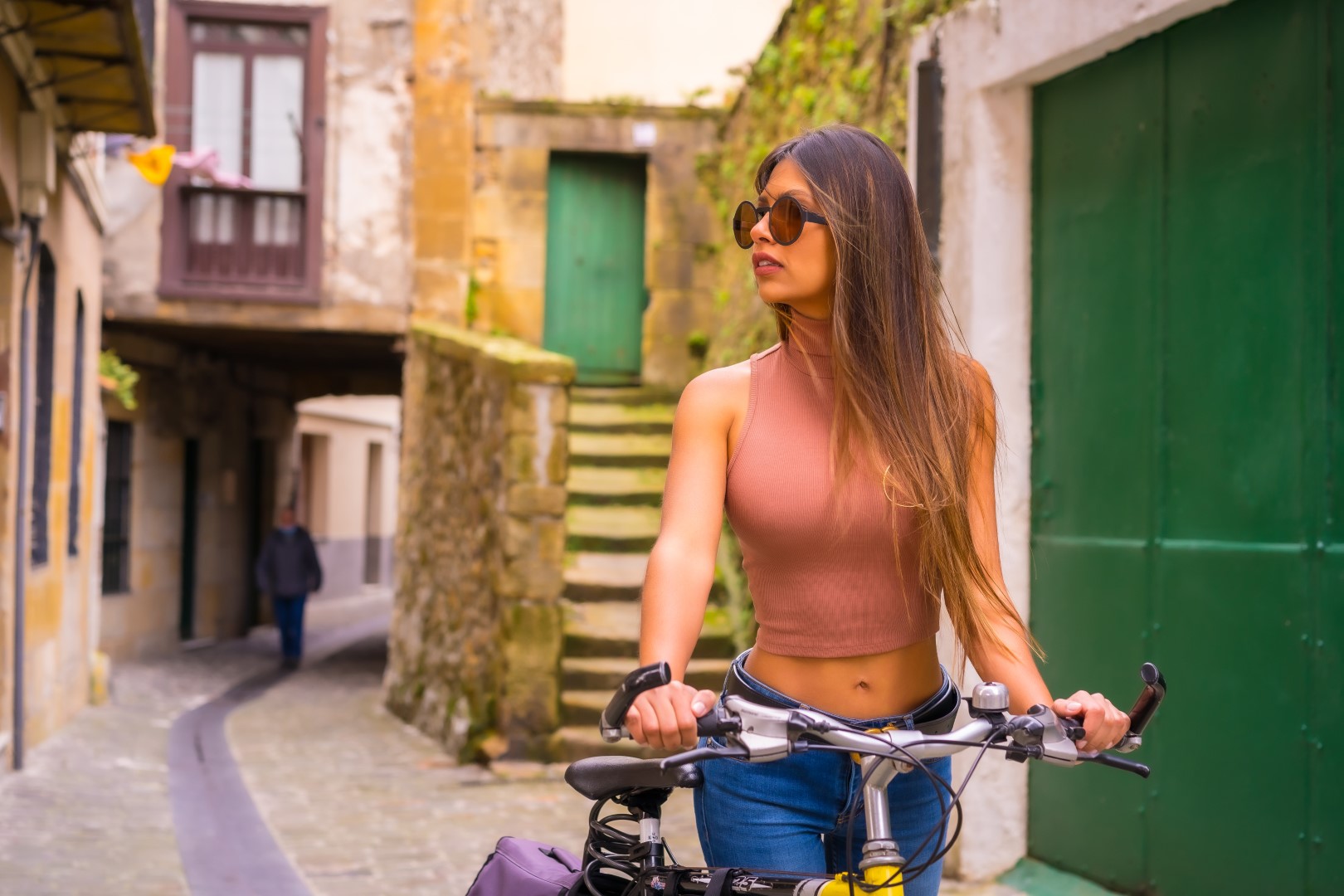
What Italian Cities Don’t Know
Where Tourists Actually Ride
Italy’s national Sistema Nazionale delle Ciclovie Turistiche is developing over 6,000 km of tourist cycle routes, and Bicitalia (mapped by FIAB) serves as the national cycle network backbone. But these planned routes are based on what planners think tourists want.
What do tourists actually do? Do they follow the signed routes, or do they deviate into city centres, residential streets, and informal paths? Where do they get lost? Where do they feel unsafe? Where do they stop, and for how long?
Crowdsourced data from tourist riders answers all of these questions — revealing the actual desire lines rather than the assumed ones.
How Resident Patterns Shift Seasonally
In tourist-heavy cities, resident cycling patterns change when tourist season arrives. Commuters may avoid congested scenic routes, shift their timing, or abandon cycling altogether during peak tourist months. Understanding these shifts is essential for managing shared infrastructure.
Where the Safety Risks Are
Tourist cyclists are particularly vulnerable because they’re riding in unfamiliar environments. They don’t know which intersections are dangerous, which roads have poor surfaces, or where traffic patterns change. Rider-reported safety data — from both tourists and residents — can identify the hotspots where intervention is most needed.
The Economic Geography of Cycling Tourism
Which neighbourhoods benefit from cycling tourism? Where do cyclists stop to eat, shop, and visit? This data is valuable not just for transport planning but for economic development — helping cities understand where cycling tourism spending flows and how infrastructure investment can direct it to areas that need it most.
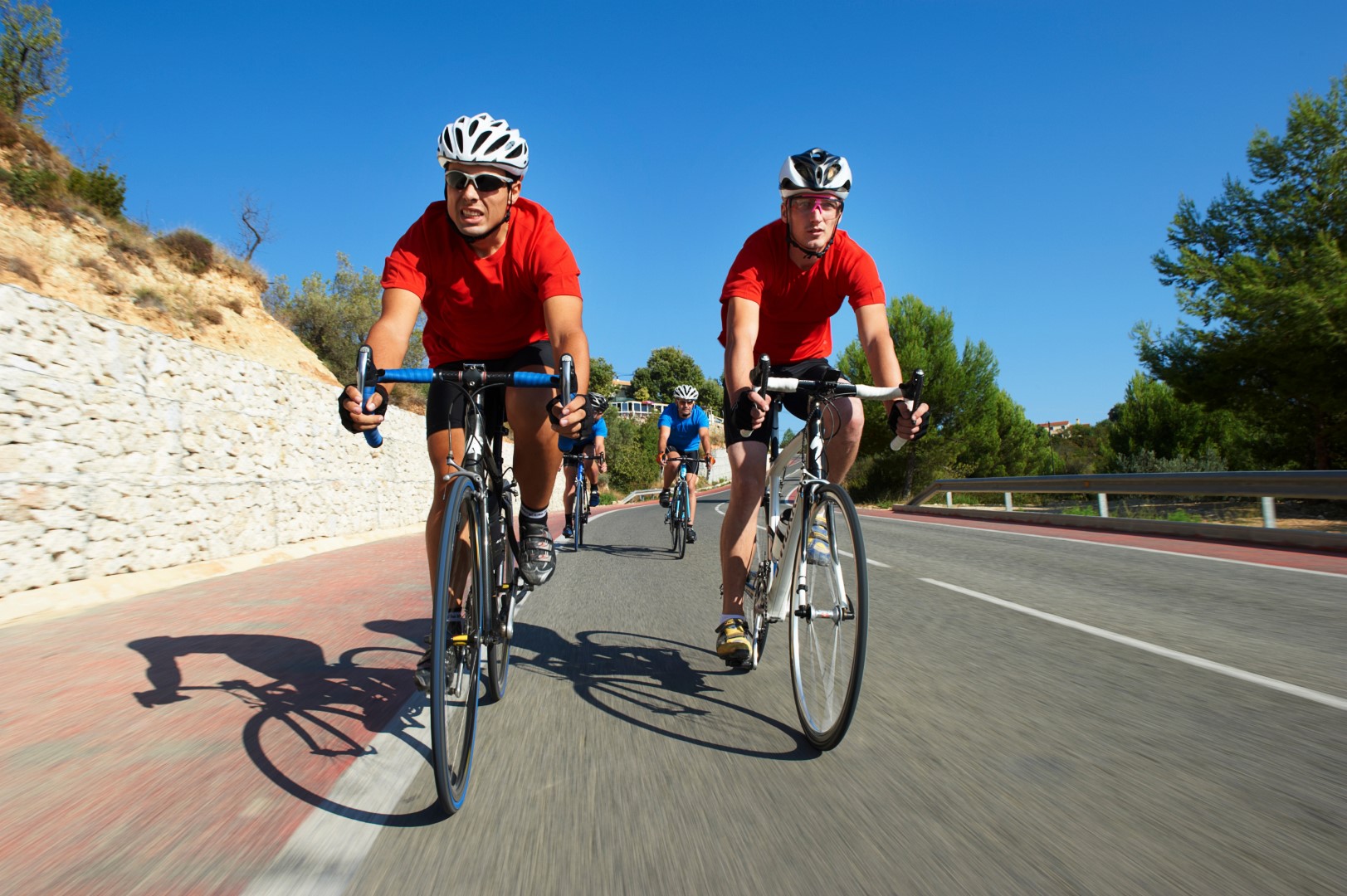
A EUR 9.8 Billion Opportunity
The economic case for getting this right is compelling. At EUR 9.8 billion in economic impact and growing at double-digit rates, cycling tourism is one of Italy’s fastest-growing tourism segments. And unlike mass tourism — which often strains city infrastructure and resident quality of life — cycling tourism tends to:
- Distribute spending across neighbourhoods and smaller towns, not just concentrated at major landmarks
- Extend stays — cycling tourists spend more days and more money per trip than average tourists
- Attract higher-spending visitors — the EUR 132/day average spend for foreign cycling tourists exceeds many other tourism segments
- Align with sustainability goals — zero-emission tourism that enhances rather than degrades the urban environment
But this opportunity depends on cities providing infrastructure that works for both populations. A tourist who has a dangerous experience on an Italian road doesn’t come back. A resident who abandons cycling because tourist congestion makes their commute unpleasant represents a failure of urban mobility planning.
The PNRR Connection
The PNRR’s EUR 400 million allocation for tourist cycle routes is the largest single investment in Italian cycling tourism infrastructure. But only 4.5% of these funds had been spent as of the latest reporting. Cities that can present data-driven project proposals — showing actual tourist cycling demand, identified route gaps, and projected economic impact — are in a far stronger position to access and deploy this funding effectively.
How Data Helps Cities Serve Both
Distinguish Tourist and Resident Patterns
Crowdsourced cycling platforms can differentiate between regular commuters (who ride the same route repeatedly) and visitors (who ride once or in novel patterns). This distinction allows cities to:
- Design commuter routes for speed and efficiency
- Design tourist routes for safety, wayfinding, and scenic value
- Manage shared infrastructure by understanding when each population peaks
Identify Network Gaps for Each Population
The missing links in a commuter network are different from the missing links in a tourist network. Data reveals both:
- Commuter gaps: unsafe intersections on popular routes, missing connections between residential areas and transit stations
- Tourist gaps: lack of safe routes between major attractions, poor wayfinding at decision points, dangerous road crossings on otherwise scenic routes
Measure the Economic Impact
By combining cycling route data with stop patterns and dwell times, cities can map the economic geography of cycling tourism — which streets, neighbourhoods, and businesses benefit from cycling traffic, and how infrastructure investment can spread that benefit more widely.
Build Evidence for Continued Investment
Italy’s cycling tourism market grew 54% in a single year. That growth won’t maintain itself without infrastructure investment. Data that demonstrates the economic return on cycling infrastructure — tourist spending, job creation, extended stays — provides the evidence base to justify continued and expanded investment.
The Venice Connection
Party Onbici was selected as a semi-finalist in the Toyota Mobility Foundation’s $3 million Venice Sustainable Cities Challenge, which specifically focused on increasing low and zero-carbon transport modes in urban environments. Venice — a city where tourism and resident mobility are in constant tension — represents the extreme version of the challenge every Italian tourist city faces.
The approach validated in Venice — using crowdsourced data to understand how different populations move through a city — applies directly to Florence, Rome, Bologna, and every Italian city managing the intersection of tourism and urban mobility.
Understand Your Cycling Populations
Distinguish tourist and resident cycling patterns with data.
Contact Party OnbiciFor Italian Tourism and Transport Officials
Cycling tourism is one of Italy's fastest-growing economic opportunities. But unlocking its full potential requires understanding how tourists and residents share your cycling infrastructure — and where investment will have the greatest impact for both. Crowdsourced cycling data gives you that understanding.
EUR 9.8 billion and growing. The question isn't whether to invest in cycling — it's where to invest wisely.
Sources:
- Cycle Tourism in Italy 2025: Key Insights — Cycle Tourism Show
- Traveling by Bike 2024: Report by ISNART — Cycle Tourism Show
- The Boom in Cycle Tourism in Italy — Umbria & Bike
- Italy’s Multi-Billion Euro Cycling Investment Opportunity — Oliver Wyman
- 600 million euros for cycle paths in the Italian Recovery and Resilience Plan — SmartGreen Post
- Cycle paths, Italy is behind: spending of PNRR funds remains low — FIRSTonline
- Venice Sustainable Cities Challenge Semi-Finalists — Toyota Mobility Foundation
- FIAB — Federazione Italiana Ambiente e Bicicletta

