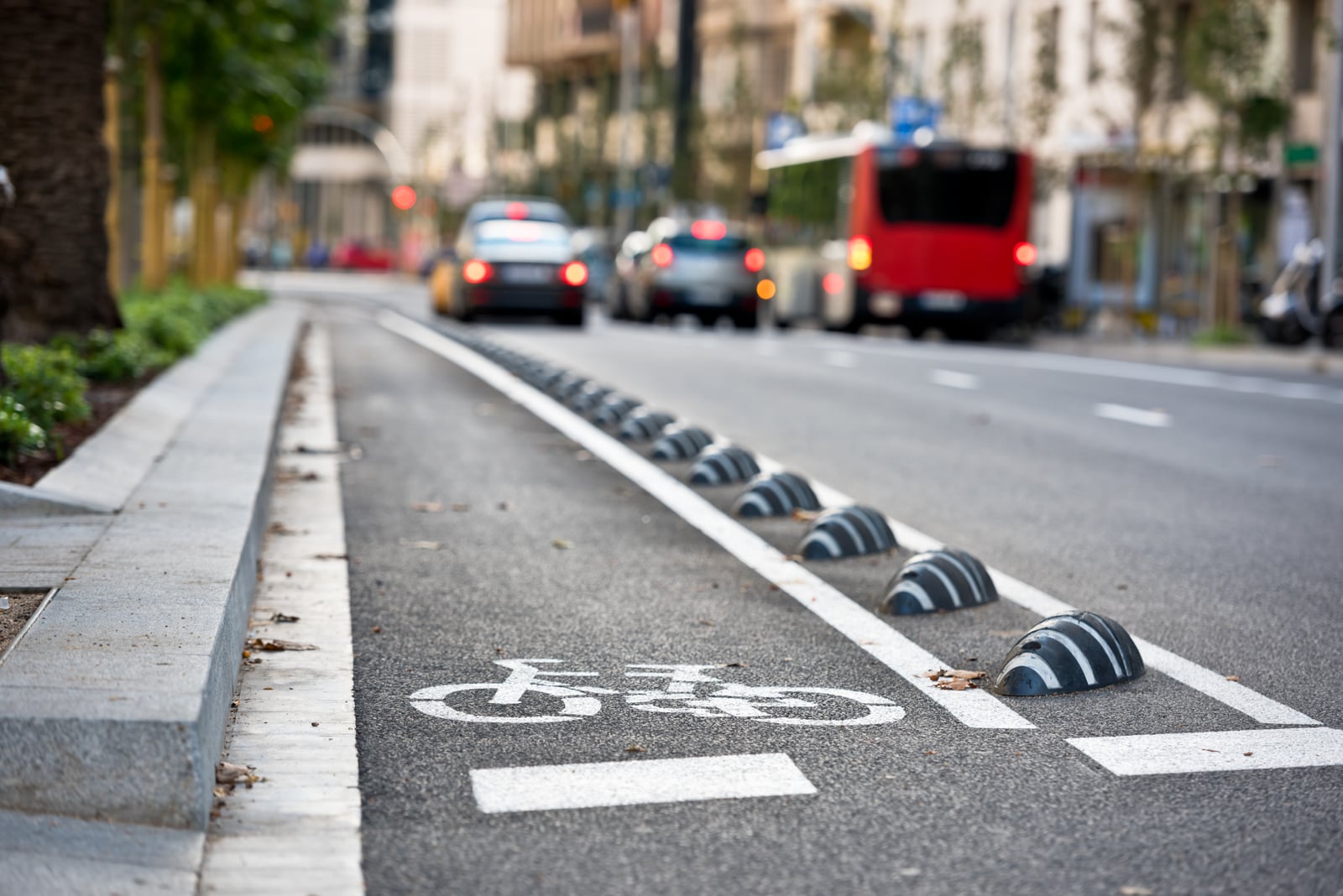
In August 2022, Canada Bay Council in Sydney’s inner west completed a new section of separated cycleway on Heath Street, Five Dock. It cost $17,000 to construct and was part of a $7 million east-west regional cycleway connecting Concord to the Bay Run — funded by the NSW Department of Planning.
Five months later, the council voted to rip it out.
The story of what happened in between — and what it reveals about the state of cycling infrastructure planning in Australia — should concern every city official responsible for active transport investment.
What Happened in Canada Bay
The Heath Street cycleway was Stage 1 of a six-stage project designed to create a continuous cycling route from North Strathfield and Concord through to Henley Marine Drive and the Bay Run — one of Sydney’s most popular shared paths.
After the cycleway opened, a group of residents complained. Their concerns centred on reduced sight distances for motorists exiting driveways. The council commissioned a traffic report, which cycling advocates subsequently criticised as offering “zero evidence” to substantiate a removal recommendation. That report was later removed from the council’s website.
In March 2023, the council voted to remove the separated cycleway. Transport for NSW voted against the recommendation, refuted the council’s traffic arguments, and offered design support to modify the cycleway rather than demolish it. Their offer was rejected.
Bicycle NSW called it a “knee-jerk reaction” that set “a terrible precedent to other councils faced with a NIMBY backlash.” The NSW Department of Planning made clear that costs associated with any removal would be at the council’s expense.
At the time of the removal decision, the cycleway had approximately 1,000 weekly users.
The council later partially reversed course, announcing it would “modify (not remove)” the cycleway — but the proposed modifications effectively replaced the separated infrastructure with sharrows (painted bike logos on the road) to reinstate three car parking spaces.

The Pattern
Canada Bay isn’t unique. It’s a pattern that plays out in cities across Australia and around the world, following a predictable cycle:
- City builds infrastructure based on planning assumptions and network strategy
- Opponents mobilise with anecdotal complaints — “nobody uses it,” “it’s causing congestion,” “it’s dangerous for drivers”
- The city can’t respond with data because it doesn’t have comprehensive usage information
- Political pressure builds through media coverage, community meetings, and council elections
- Officials cave — infrastructure is removed, modified, or scaled back
- Investment is wasted — taxpayer money spent twice (building then removing), and a critical network connection is lost
The frustrating reality is that in many of these cases, the infrastructure was being used and was serving its intended purpose. The problem wasn’t the infrastructure — it was the inability to demonstrate its value with hard evidence.
It’s Not Just Sydney
Across Australian states, cycling infrastructure has become a political flashpoint. Council elections have featured candidates campaigning on anti-bike-lane platforms, framing cycling investment as a culture war rather than a transport planning decision. Without data to anchor the conversation in evidence, the debate becomes about perception — and perception is easily manipulated.

What Data Could Have Changed
Consider what the Canada Bay debate would have looked like if the council had access to comprehensive cycling data from day one.
Usage Data
Not just “1,000 weekly users” from a counter — but where those users were coming from and going to. Origin-destination data would have shown whether the cycleway was serving a genuine transport need (connecting residential areas to the Bay Run, local shops, schools, and public transport) or was primarily recreational.
Growth trends over the first five months would have shown whether ridership was increasing — as it typically does when new infrastructure becomes established and riders adjust their routes.
Demographic Data
Who was riding? If the data showed families with children, women commuting to work, and older residents using the cycleway — not just the “lycra-clad athletes” that opponents typically invoke — the narrative would have been fundamentally different.
A City of Sydney study found that only 21% of women surveyed identified themselves as cyclists, despite riding regularly. The dominant public perception of cyclists as “fit, healthy and active” males was reinforced by 47% of respondents — and nearly 10% specifically described riders as male or as “MAMILs” (middle-aged men in lycra). When this is the perceived image of who uses cycling infrastructure, it’s easy for opponents to dismiss its value.
Demographic data shatters that perception with evidence.
Before/After Comparisons
The most powerful argument for cycling infrastructure is measurable change. Did ridership increase after the cycleway opened? Did the demographics of riders shift — more women, more families, more older riders? Did riders report feeling safer?
Without before/after data, the council had no way to demonstrate that its investment was working. With it, the case for keeping the cycleway would have been evidence-based rather than opinion-based.
Safety Evidence
The residents’ complaint centred on sight distances for motorists. Comprehensive data could have shown whether any near-misses or incidents actually occurred, or whether the safety concern was theoretical. Rider-reported data on the cycleway’s safety would have provided a counterpoint grounded in the actual experience of the people using it.

How Cities Are Doing It Differently
Not every city is flying blind. Some are building data into their cycling infrastructure strategy from the start.
Transport for NSW and Active Transport Innovation
Transport for NSW has recognised the need for better cycling data through its Active Transport Bike Riding Innovation Challenge. Party Onbici was endorsed as a graduate of this program, validating the approach of using crowdsourced smartphone data to fill the gaps left by traditional measurement methods.
The Venice Sustainable Cities Challenge
The Toyota Mobility Foundation’s $3 million Venice Sustainable Cities Challenge brought together innovators from around the world to solve urban mobility problems. Party Onbici was selected as one of 10 semi-finalists, receiving a $50,000 implementation grant to demonstrate how crowdsourced cycling data can help cities make better infrastructure decisions.
NSW Smart Cities Innovation Challenge
The NSW Government’s Smart Cities Innovation Challenge included a focus on safer public spaces for women and girls. Party Onbici participated in a feasibility study for this challenge, exploring how group riding data can reveal safety patterns and barriers that traditional surveys miss.
The City of Sydney’s “On the Go” study reinforced these findings, recommending that cities “support the establishment of local women’s walking and riding groups and programs” and create “travel companion programs, such as walking or riding mentors and women’s walking buses to help build confidence, feelings of safety and connections.”
The Common Thread
What these initiatives share is a recognition that the question has changed. It’s no longer enough to ask “should we build cycling infrastructure?” The question is “how do we build the right infrastructure, in the right places, and prove that it works?”
Data is the answer to all three.

The Real Cost of Removal
When a cycleway gets removed, the cost isn’t just the construction and demolition expense. It’s:
- Lost network connectivity — the Canada Bay cycleway was designed to connect Concord to the Bay Run. That gap in the cycling network remains.
- Deterred future investment — other councils see the political fallout and become risk-averse about cycling projects
- Emboldened opposition — successful removal campaigns encourage more campaigns elsewhere
- Eroded public trust — ratepayers see money spent, then spent again to undo the work
- Missed ridership growth — new infrastructure typically sees ridership increase over 12-24 months as riders discover and adjust to new routes. Removing infrastructure at 5 months doesn’t give it time to demonstrate its value.
The Canada Bay cycleway wasn’t a failure of infrastructure. It was a failure of evidence. And it’s a failure that every city can avoid by building data collection into their active transport strategy from the start.
Don’t Let Your Infrastructure Become a Political Football
The lesson from Canada Bay is clear: building cycling infrastructure without comprehensive data is a political risk that cities can no longer afford to take.
With $100 million in federal funding and $60 million per round in NSW state funding flowing into active transport projects, the stakes have never been higher. Every dollar spent on infrastructure that gets removed is a dollar that could have built something with the evidence base to survive political scrutiny.
Build Bulletproof Business Cases
Use data to protect your cycling infrastructure investment.
Contact Party OnbiciFor City Officials and Transport Planners
Every piece of cycling infrastructure you build should come with a data strategy. Not just a counter on a pole — but a comprehensive understanding of who is riding, where they're going, and how usage changes over time. That data is your insurance policy against political backlash, your evidence base for future investment, and your proof that public money is being well spent.
The best defence against "nobody uses it" is data that proves everybody does.
Sources:
- ‘Knee-jerk reaction’: Sydney cycle path to be ripped up months after opening — Sydney Morning Herald
- Sydney cycleway: Bay Run Canada Bay removal — Nine News
- Hands Off Heath Street Cycleway — Bicycle NSW
- Council Culture Favours Cars — Bicycle NSW
- Concord to the Bay Run East-West Regional Cycleway — City of Canada Bay Council
- On the Go: How women travel around our city — City of Sydney / C40 Cities
- Party Onbici: Cycling Social, Safer, Smarter — Smart Cities Council
- Venice Sustainable Cities Challenge Semi-Finalists — Toyota Mobility Foundation
- Safer Public Spaces for Women and Girls — NSW Smart Cities Innovation Challenge
- A Clear Mandate for Active Transport — Bicycle NSW

